

 OSHA & ANSI Headers
 Safety Tags
 Parking Signs
 Braille Signs
 Engraved Plastic Signs
 Create From Scratch
 Braille Sign Templates
 Engraved Sign Templates
 Pipe Markers & Labels
 NFPA 704 Hazmat Signs
 Blank Write-On Signs & Labels
 EZ Make Printable Products
 Banners
 Floor Signs
 Projector Signs
 Tags
Tags
 Labels
 Digital Signs















Beyond the Sign: Why Great Safety Communication Is More Than Just a Sign

Let’s be honest.
Most people have walked past the same safety communication sign hundreds of times. Eventually, it becomes part of the wallpaper.
That bright yellow “Watch Your Step” sign? Invisible.
The “Wear Eye Protection” reminder? Blends right into the background.
The emergency exit map? Hopefully everyone knows where it is…but do they?
It’s not because employees don’t care about safety. It’s because our brains are really good at filtering out things we see every single day.
That’s why creating a safer workplace isn’t about hanging more signs. It’s about making safety communication impossible to ignore.
Safety Signs Are Still Essential
Let’s get one thing out of the way—we’re not suggesting signs aren’t important.
Quite the opposite.
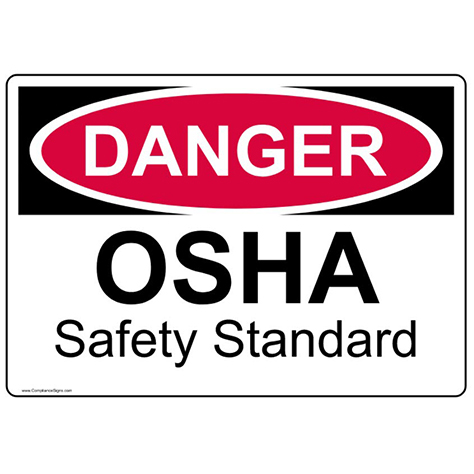
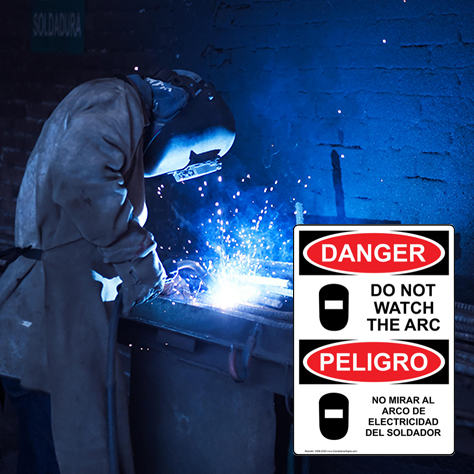
Safety signs remain one of the most effective ways to communicate hazards, required PPE, emergency procedures, and restricted areas. They’re often required by OSHA and other safety communication standards for good reason.
But signs shouldn’t have to carry the entire load.
Think of a stop sign on the road.
It works because it’s supported by painted lines, crosswalks, traffic signals, lane markings, and other visual cues that all reinforce the same message.
Workplaces should work the same way.
Don’t Make Employees Guess
Imagine walking into a busy warehouse.
- Where should pedestrians walk?
- Where do forklifts travel?
- Which materials belong in this area?
- Where does the hazardous zone begin?
Employees shouldn’t have to stop and solve a puzzle every time they move through your facility. Visual communication should answer those questions before they’re even asked.
Simple tools like floor markings, aisle identification, storage labels, and color-coded work zones help employees make better decisions naturally.
Less guessing.
Less confusion.
Fewer close calls.
Your Facility Is Already Talking
The question is…
What’s it saying?
Every workplace communicates something.
A clean, organized facility with consistent markings tells employees exactly how work should happen.
A workplace covered in faded tape, handwritten labels, and mystery storage areas sends a very different message. (And if your “temporary” handwritten sign has celebrated three birthdays, it may be time for an upgrade.)
Visual communication doesn’t just identify hazards.
It sets expectations.
Keep Safety Front and Center
One challenge with traditional signs is that they eventually become familiar.
That’s why reinforcing important messages in different ways can make a big difference. Depending on your facility, that might include:
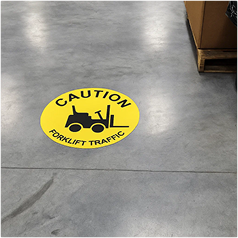
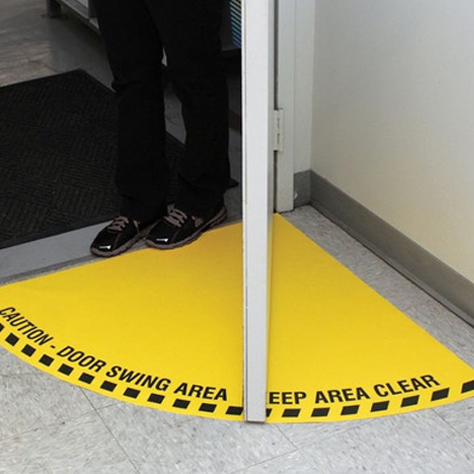
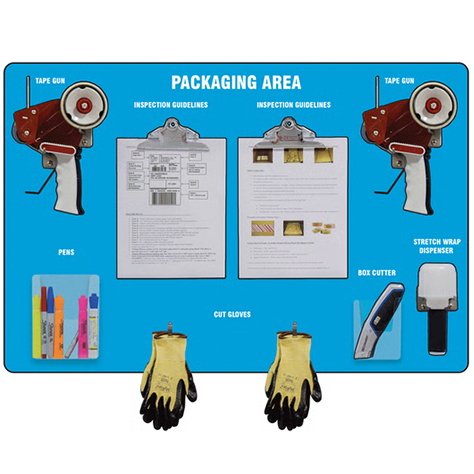
- Floor markings that guide traffic
- PPE reminder posters
- Safety banners
- Electronic safety scoreboards
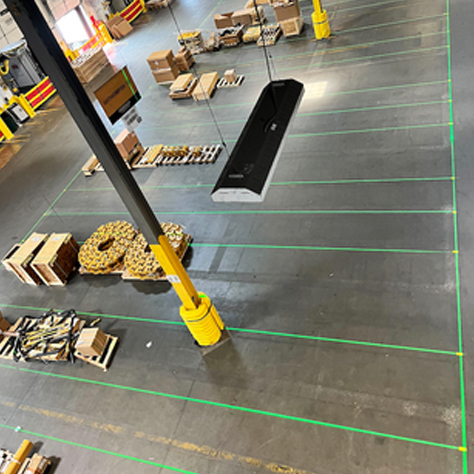
- Projected safety messages in high-traffic areas
- Durable equipment labels
- Wayfinding and directional signs
Each reinforces the others.
Instead of relying on one reminder, you’re creating an environment where safety communication is consistently visible.
Some Messages Deserve More Attention
Not every safety message needs to stay in the same place forever.
Think about seasonal reminders:
- Heat stress.
- Cold weather hazards.
- Temporary construction.
- Equipment maintenance.
- Special projects.
Rotating visual messaging keeps important information fresh and helps employees notice it again.
Projected safety messages are another great option for busy facilities. Unlike painted floors or traditional floor decals that can wear down over time, projected walkways and warning messages remain bright, visible, and easy to update as conditions change.
Organization Is a Safety Communication Tool
Here’s a fun challenge. Walk through your workplace and ask yourself one question:
Would a brand-new employee know where everything belongs?
If the answer is “probably not,” you’ve uncovered a safety opportunity.
Good workplace organization isn’t just about looking neat.
Clearly labeled storage, organized workstations, defined staging areas, and visual management systems reduce clutter and make hazards easier to recognize.
When everything has a place, employees spend less time searching—and more time working safely.
Safety Is About Reinforcement
The safest workplaces don’t rely on one sign to do all the work.
They combine signs with floor markings, labels, identification systems, posters, banners, and visual cues that work together to guide behavior throughout the day. Think of it as building an environment where doing the safe thing is also the obvious thing.
Because when safety is reinforced everywhere people work…
it’s a lot harder to overlook.
Final Thoughts
Safety isn’t just something employees should remember during orientation.
It’s something they should see every day.
The right combination of signs, visual communication tools, and workplace organization helps reduce confusion, improve consistency, and reinforce safer habits without saying a word.
After all, the best safety message isn’t just the one hanging on the wall.
It’s the one that’s built into the workplace itself.