

 OSHA & ANSI Headers
 Safety Tags
 Parking Signs
 Braille Signs
 Engraved Plastic Signs
 Create From Scratch
 Braille Sign Templates
 Engraved Sign Templates
 Pipe Markers & Labels
 NFPA 704 Hazmat Signs
 Blank Write-On Signs & Labels
 EZ Make Printable Products
 Banners
 Floor Signs
 Projector Signs
 Tags
Tags
 Labels
 Digital Signs
























NFPA: U.S. Firefighter Deaths Increased 17 Percent
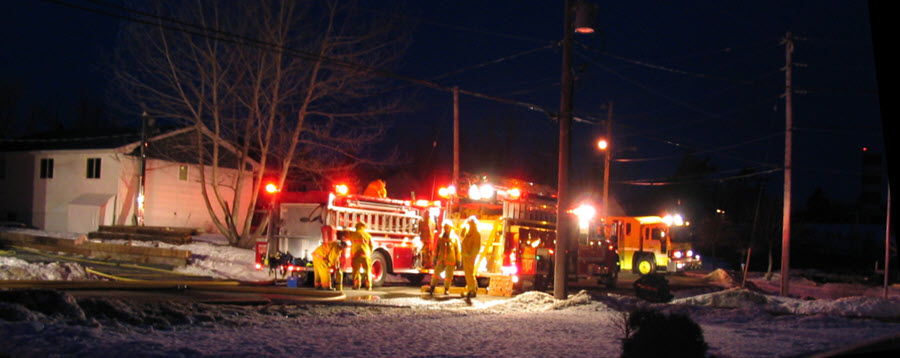
The National Fire Protection Association® (NFPA®) released its “Fatal Firefighter Injuries in the U.S. in 2025” report in late July, 2026. The report shows that 83 U.S. firefighters died while on-duty, or as a result of heart attacks, strokes, or medical conditions within 24 hours of duty, in 2025.
This number reflects a 17 percent increase over the 69 fatalities reported in 2024. The majority of the on-duty fatalities (78 percent of the total) resulted from traumatic injuries, heart attacks, or medical conditions. The remaining 18 fatalities involved heart attacks while firefighters were off duty but occurred within 24 hours of on-duty activity.
“While we do see fluctuations in the number of firefighter fatalities each year, as we did in 2025, there has been a consistent downward trend in the number of annual fatalities since the study began nearly 50 years ago,” said Richard Campbell, a senior research analyst at NFPA and the lead author of the report.
Fatal heart attacks, strokes, and medical conditions within 24 hours of duty were added to the study in 2022. So, they are reported separately from on-duty fatalities.
The vast majority (95 percent) of firefighter fatalities in 2025 were municipal firefighters: 34 career firefighters and 45 volunteer firefighters. The remaining four firefighters were wildland firefighters. They included two federal wildland contract firefighters, one state forestry supervisor, and one seasonal state wildland firefighter.
As in most years, heart attacks were the leading cause of death of firefighters in 2025, accounting for 45 fatalities. Twenty-seven of these deaths occurred while the firefighters were on duty; 18 occurred within 24 hours of duty. The on-duty heart attack victims included 16 career firefighters, eight volunteer firefighters, and three wildland firefighters. Volunteer firefighters accounted for 16 of the 18 heart attacks within 24 hours of duty.
Sudden cardiac death remains a critical concern among firefighters. Fitness programs, annual medical evaluations, and medical monitoring that support cardiac health for all firefighters and should be prioritized.
“It’s important to note that predominance of sudden cardiac deaths among volunteer firefighters within 24 hours of duty suggests the need for additional areas of intervention for this group.”
According to the study, age is an important risk factor for cardiac injury. The issue that is particularly relevant to the volunteer firefighter community.
“While education about symptoms of cardiac distress should be a component of risk reduction efforts for all firefighters, communicating these messages is of particular importance among volunteer firefighters, who may not return to the station following an alarm and may not have immediate access to medical treatment,” said Campbell.
Overexertion or strain injuries are regularly the leading cause of firefighter fatalities. They were responsible for 45 percent of total on-duty firefighter deaths in 2025. An additional 20 percent were caused by crashes. Five victims (eight percent) sustained fatal injuries when they were caught or trapped in some way. Another five were struck by an object. Falls and assaults each caused four deaths. Two fatal injuries were contact-related, and three had an undetermined cause. All of the deaths within 24 hours of duty were considered to be overexertion or strain injuries.
Crash-related fatalities – the second-leading cause of fatal injuries in 2025 – represents another area of concern. Factors most commonly associated with fatal crashes are:
- Driver error
- Excessive speed
- Lack of seatbelt use
- Inclement weather
- Use of private vehicles
“Career and volunteer firefighters are increasingly called upon to handle an ever-growing range of incidents in their communities, many of which present high-risk, high-stress situations,” said Jay Petrillo, research analyst at NFPA who co-authored the report with Campbell.
“The data from this year’s study show that as the demands on career and volunteer firefighters continue to grow and evolve, the need for comprehensive injury prevention training and strategies remains critical.”